
1. 为什么只比"每 kWh"会误导你1. Why "$/kWh" Alone Misleads
"每 kWh 多少钱"是个方便但危险的数字。它把一套系统压成一个单价,却掩盖了三件事:① 容量口径不同——是电芯容量还是系统可用容量(含 PCS 损耗、温度窗口)?② 范围不同——设备价是否含 PCS、温控、消防、EMS、调试?③ 寿命不同——同样价格,6000 次循环和 3000 次循环的真实成本差一倍。所以比价前,先统一"比的是什么"。"Dollars per kWh" is convenient but dangerous. It compresses a whole system into one number while hiding three things: ① the capacity basis — nameplate cell capacity or usable system capacity (after PCS losses and temperature windows)? ② the scope — does the price include PCS, thermal management, fire safety, EMS and commissioning? ③ the lifespan — at the same price, 6,000 cycles vs 3,000 cycles is a 2× difference in real cost. Before comparing quotes, first agree on what exactly you are comparing.
2. 集装箱式储能:钱花在哪2. Inside a Container ESS: Where the Money Goes
一套工商业/集装箱式系统(1 MWh 起,通常到 10 MWh+)由多个子系统组成。典型设备级成本构成大致如下(按系统总成本占比,行业常识区间,随电芯价与规模浮动):A container / C&I system (starting around 1 MWh, often up to 10 MWh+) is a stack of subsystems. A representative equipment-level cost build-up looks roughly like this (share of total system cost; typical industry bands that move with cell price and scale):
| 子系统Subsystem | 典型占比Typical share | 说明Notes |
|---|---|---|
| 电池电芯 / 模组Cells / modules | 50–60%50–60% | LFP 为主;2023–2026 电芯价格下行,是拉低成本的主因Mostly LFP; 2023–2026 cell price decline is the main cost driver down |
| PCS 储能变流器PCS (inverter) | 10–15%10–15% | 功率器件与拓扑决定效率Topology and semiconductors set efficiency |
| BMS + EMSBMS + EMS | 5–8%5–8% | 电池管理与能量调度,越大系统越重要Battery + energy management; more critical at scale |
| 温控(风冷/液冷)Thermal (air/liquid) | 5–8%5–8% | 液冷贵但提寿命、提能量密度Liquid cooling costs more but extends life and density |
| 消防与气体探测Fire safety | 2–4%2–4% | 气溶胶/全氟己酮,合规刚需Aerosol / clean-agent; compliance mandatory |
| 集装箱结构 / 线束 / 配电Enclosure / wiring | 5–10%5–10% | 机架、线缆、配电、EMS 屏Racks, cables, switchgear, HMI |
| 集成 / 调试 / 质保Integration / commissioning | 5–10%5–10% | 工厂预装、现场联调、培训Factory pre-assembly, site commissioning, training |
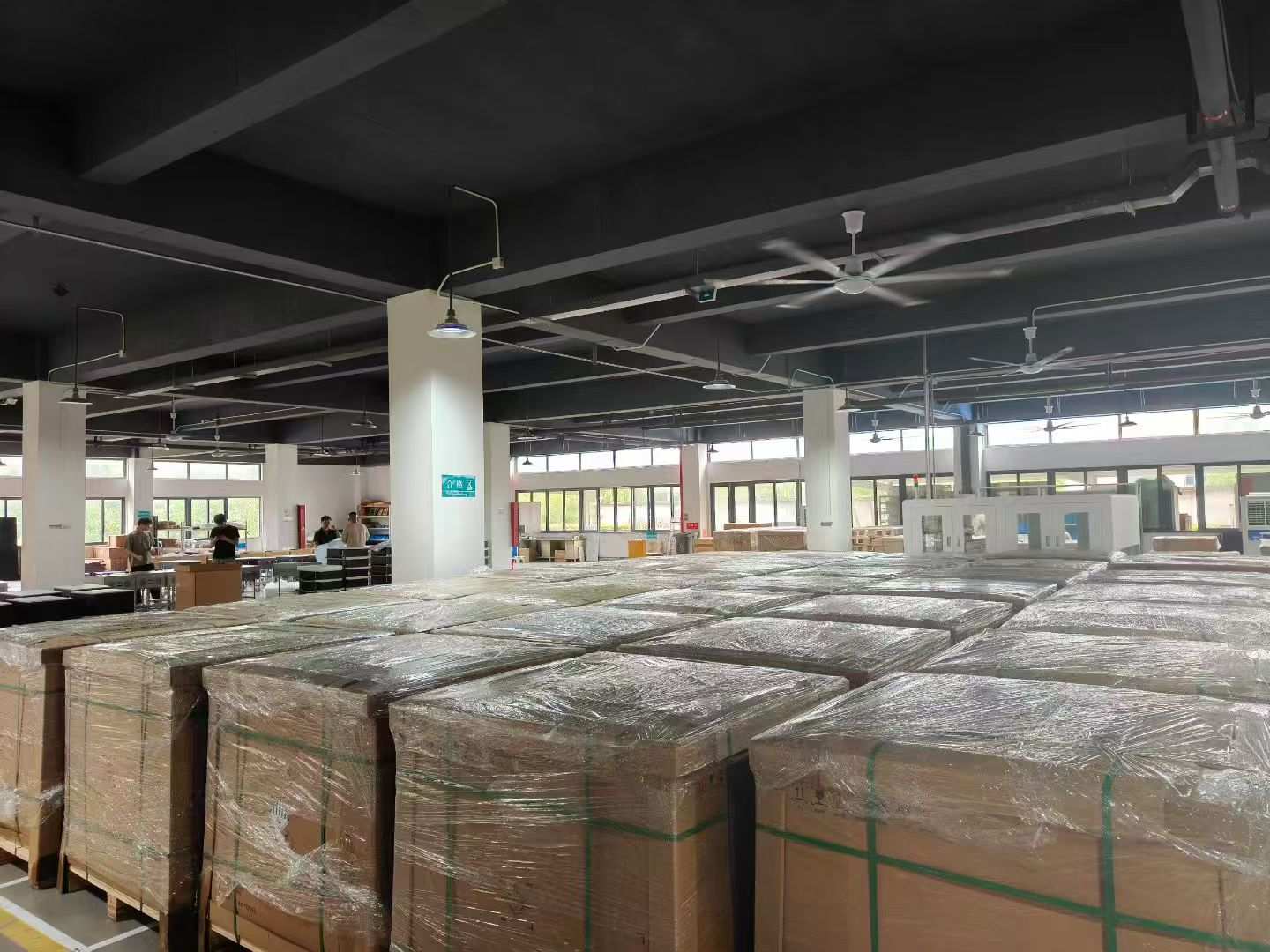
3. 户用储能:完全不同的物料清单3. Inside a Residential ESS: A Different Bill of Materials
户用系统(5–20 kWh,常见分体电池+混合逆变器,或一体机)部件更少,但把"逆变器"直接并进了物料成本,且每套都要独立认证与安装:A residential system (5–20 kWh, typically a battery plus a hybrid inverter, or an all-in-one) has fewer subsystems — but it folds the inverter directly into the bill of materials, and every unit carries its own certification and installation:
| 部件Component | 典型占比Typical share | 说明Notes |
|---|---|---|
| 电池包(LFP)Battery pack (LFP) | 55–65%55–65% | 户用主流 LFP,安全与循环优先LFP mainstream at home — safety and cycle life first |
| 混合逆变器一体机Hybrid inverter | 20–30%20–30% | 并网+离网+MPPT 三合一Grid-tie + off-grid + MPPT in one |
| 安装与辅材Install & BOS | 10–15%10–15% | 线缆、支架、配电、人工Cables, brackets, switchgear, labor |
可见户用没有独立的 PCS、液冷、消防舱、EMS 屏——这些被简化或内置。结构越简单,单位成本反而越高,因为规模摊不掉。Notice residential has no separate PCS, liquid cooling, fire cabin or EMS panel — those are simplified or embedded. Simpler structure, yet higher unit cost, because scale can't amortize the overhead.
4. 典型成本区间(及为什么它会动)4. Typical Cost Ranges (and Why They Move)
以下为设备级、不含土建与 EPC 的代表性区间(2025–2026 行业常识,随电芯价、规模、温控方案、目的地市场大幅浮动,仅作起点而非报价):Below are representative equipment-level bands before civil works and EPC (2025–2026 industry norms; they move widely with cell price, scale, cooling method and destination market — a starting point, not a quote):
| 系统类型System type | 典型区间(设备级)Typical band (equipment) | 口径Basis |
|---|---|---|
| 集装箱 / 工商业(1–10 MWh)Container / C&I (1–10 MWh) | 约 USD 250–450 /kWh~USD 250–450 /kWh | 含电池+PCS+BMS/EMS+温控+消防+箱体Battery+PCS+BMS/EMS+thermal+fire+enclosure |
| 户用电池包(仅电池)Residential pack (battery only) | 约 USD 250–450 /kWh~USD 250–450 /kWh | 不含逆变器Excl. inverter |
| 户用一体机(含逆变器)Residential all-in-one (incl. inverter) | 约 USD 400–800 /kWh~USD 400–800 /kWh | 5–20 kWh 分体/一体5–20 kWh split / all-in-one |
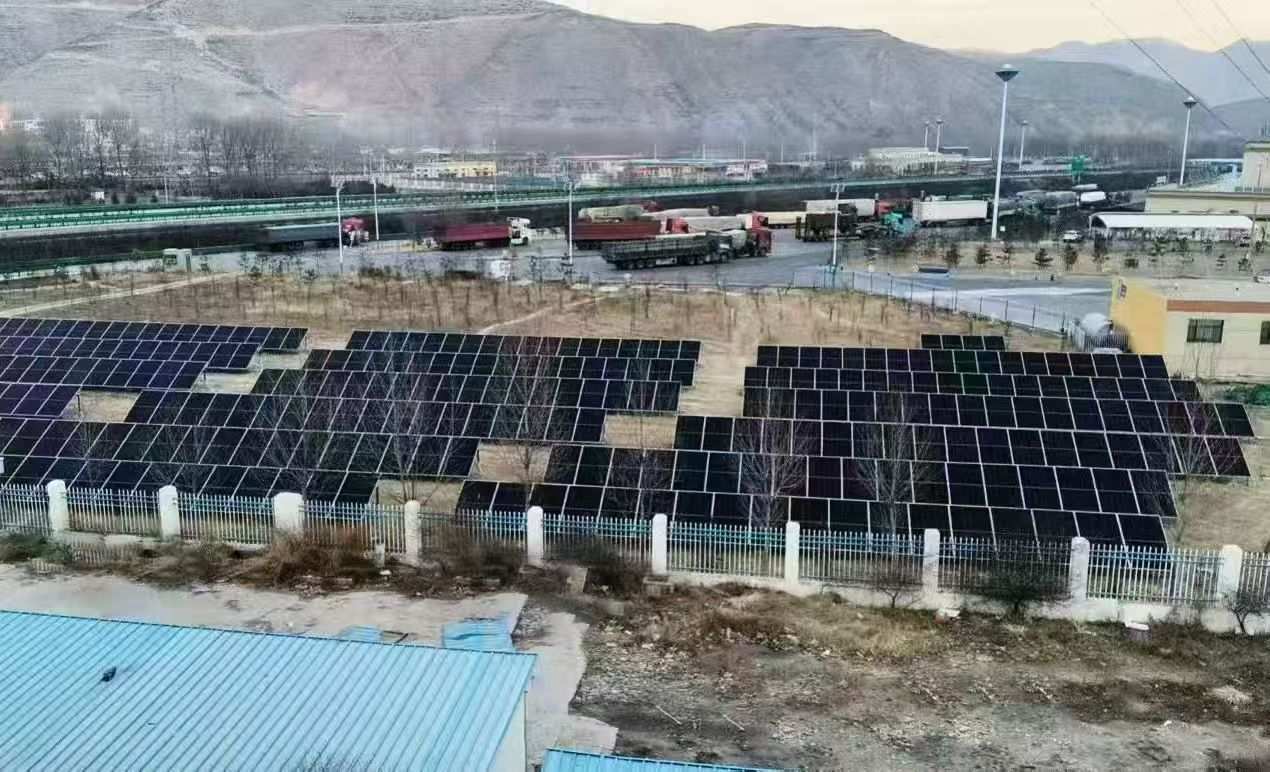
为什么户用单位比集装箱贵?三句话:体量小、批量低、每套独立认证与渠道层级多,还把逆变器算进物料。集装箱系统把工程、消防、EMS、联调摊到 MWh 级,单价随规模骤降。Why is residential pricier per kWh? In short: smaller volume, lower batch size, per-unit certification and channel overhead, and the inverter folded into the BOM. Container systems spread engineering, fire safety, EMS and commissioning across megawatt-hours, so the per-kWh figure drops sharply with scale.
5. 买家最容易忘的隐藏成本5. The Hidden Costs Buyers Forget
设备价只是冰山。两类系统都要额外算:The equipment price is only the tip. Both systems carry extra line items:
- 运输与 UN38.3 包装:锂电属第 9 类危险品,合规包装与海运/空运费用不容忽视,尤其户用小批量单 Wh 运费更高。Transport & UN38.3 packaging: Li-ion is Class 9 dangerous goods; compliant packaging and sea/air freight matter, and small residential batches pay more per Wh.
- 关税与增值税:目的地国进口税率差异大(如部分市场对储能电池有优惠、对一体机另算),下单前核清楚。Duty & VAT: Import rates vary widely by destination (some markets favor battery cells, others treat all-in-ones differently) — confirm before ordering.
- 土建与基础:集装箱系统需地基、通风、消防报建;户用则是 installer 人工与辅材(常叠加硬件 10–20%)。Civil works & foundations: Containers need bases, ventilation and fire permits; residential adds installer labor and BOS (often +10–20% on hardware).
- 并网审批与联调:并网许可、EMS 配置、现场培训,工商业尤其耗时。Grid connection & commissioning: Permits, EMS setup and on-site training — especially time-consuming for C&I.
- 运维与回收:液冷系统耗材、远程监控、到期回收责任,应计入全生命周期成本。O&M and recycling: Liquid-cooling consumables, remote monitoring and end-of-life take-back belong in lifetime cost.
6. 规模如何反转算式6. How Scale Flips the Math
储能是典型的"规模经济"产品:电芯采购、PCS 摊薄、消防/EMS 工程、认证分摊,全部随 MWh 数下降。一个常见经验——从户用 10 kWh 跳到工商业 1 MWh,设备级每 kWh 往往能低 30–50%;再往上到 5–10 MWh,边际下降放缓。所以"我该买大的还是小的"答案常是:能摊到更大体量,单位就更划算。Storage is a classic scale-economy product: cell procurement, PCS amortization, fire/EMS engineering and certification all fall per kWh as MWh grows. A common rule of thumb — moving from a 10 kWh home unit to a 1 MWh C&I system often cuts equipment $/kWh by 30–50%; beyond 5–10 MWh the marginal drop flattens. So the answer to "big or small?" is usually: pool volume where you can, and the unit cost rewards you.
7. 怎么读一份供应商报价7. How to Read a Supplier Quote
别只看总价。按这张清单逐条核对,避免后期被"低价引流、增项补刀":Don't just read the bottom line. Check each line against this list to avoid "low headline, costly change-orders" later:
- 电芯规格:LFP 还是 NMC?循环次数(如 ≥6000 @80% DoD)、电芯等级(车规/储能级)。Cell spec: LFP or NMC? Cycle count (e.g. ≥6000 @80% DoD), cell grade (automotive vs stationary).
- 系统效率:往返效率(RTE)多少?液冷通常更优。System efficiency: round-trip efficiency (RTE)? Liquid cooling usually better.
- 质保口径:按"循环次数"还是"年"?是否含容量衰减保证(如 10 年 ≥70%)。Warranty basis: by cycles or by years? Does it cover capacity fade (e.g. ≥70% at 10y)?
- 认证范围:UL 1973 / IEC 62619 / UN38.3 是否齐?目标市场认哪个。Certifications: UL 1973 / IEC 62619 / UN38.3 present? Which the target market recognizes. UL vs IEC 62619 详解UL vs IEC 62619 explained
- 是否含调试与培训:海外项目远程/现场支持怎么算。Commissioning & training included? How is overseas remote/on-site support priced.
- 本地服务:有没有目标市场的备件与售后网络。Local service: spare parts and after-sales network in the target market.
看制造能力页,了解产线与认证基础。See the manufacturing capability page 制造能力Manufacturing Capability;选厂 checklist 见; for a supplier checklist see 如何挑选中国储能供应商How to Choose a China ESS Supplier。.
8. 一个简单的决策框架8. A Simple Decision Frame
把"容量需求"和"部署场景"放一起判断:① 家庭/小商业、要备电 → 户用一体机,接受较高单位成本换简单与快交付;② 工商业、峰谷套利/需量管理 → 集装箱系统,用规模把单位成本压下来;③ 想用自己品牌出海 → 走 OEM/ODM,把成本结构里的"集成与认证"交给合作制造体系,你只做市场。Put capacity need and deployment scene together: ① home / small business wanting backup → residential all-in-one, accept higher unit cost for simplicity and fast delivery; ② C&I doing peak-shaving / demand management → container system, use scale to push unit cost down; ③ want to go overseas under your own brand → OEM/ODM, hand the "integration and certification" slice to a partnered manufacturing system while you own the market. 成为经销商Become a Distributor
常见问题Frequently Asked Questions
集装箱式储能每 kWh 多少钱?How much does a container ESS cost per kWh?
设备级(电池+PCS+BMS/EMS+温控+消防+箱体)、1–10 MWh 区间,2025–2026 代表性价格大致在 USD 250–450 /kWh(不含土建与 EPC)。区间随 LFP 电芯价、规模、温控方式、目的地市场浮动,任何单一数字都只是起点而非报价。At the equipment level (battery, PCS, BMS/EMS, thermal, fire safety, enclosure) for 1–10 MWh systems, representative 2025–2026 pricing is roughly USD 250–450 /kWh before civil works and EPC. The band moves with LFP cell price, scale, cooling method and market — any single number is a start, not a quote.
为什么户用比集装箱贵那么多?Why is residential pricier per kWh than container?
户用包体量小、批量低,每套独立认证与渠道层级多,还把混合逆变器算进物料。集装箱系统把工程、消防、EMS、联调摊到 MWh 级,单位成本随规模骤降。Residential packs are smaller and lower-volume, carry per-unit certification and channel overhead, and bundle the hybrid inverter into the BOM. Container systems spread engineering, fire safety, EMS and commissioning across MWh, so per-kWh drops sharply with scale.
设备价之外还有哪些成本?What costs sit outside the equipment price?
运输与 UN38.3 包装、关税与增值税、土建基础、并网审批与联调、运维、到期回收。户用还要加计 installer 人工与辅材(常叠加硬件 10–20%)。Transport and UN38.3 packaging, import duty and VAT, civil works, grid connection and commissioning, O&M, and end-of-life recycling. Residential adds installer labor and BOS (often +10–20% on hardware).
只比每 kWh 够吗?Should I compare only on $/kWh?
不够。每 kWh 掩盖了循环寿命、往返效率、质保口径(循环 vs 年)、电芯等级、认证防护与本地服务。应比"保证循环内的总拥有成本",而非表面单价。No. $/kWh hides cycle life, round-trip efficiency, warranty basis (cycles vs years), cell grade, certified protection and local service. Compare total cost of ownership over warranted cycles, not the headline price.